Series SLEX-100 and SLEX-100 HI-LED |
|||||||||||||||||||||||||||||||||||||||||||||||||||||||||||||||||||||||||||||
|
Explosion-proof, UL-844 and C-UL/CSA C22.2 No. 137 listed, electric lighting fixtures are used in hazardous (classified) locations, lights for single port viewing have been designed to meet the needs of our customers who require lighting and viewing through a single sightglass. Designated the SLEX-100, REX-100, SLEX-100 HI-LED & REX-100 HI-LED, both models use high-intensity halogen lamps or HI-LED technology to provide bright, glare free illumination of the interior of vessels, tanks, hopper, silos, mixers and other normally closed containers in hazardous locations requiring explosion-proof equipment. The REX-100 & REX-100 HI-LED are provided with a highly polished internal reflector which increases the illumination intensity. The explosion-proof light can be supplied mounted to the upper flange of our circular sightglass to form a complete light/sightglass assembly. The light fixture can also be mounted to our smaller viewing diameter sightglasses such as 3 1/4" and 4" to form illumination ports. The illumination port used in conjunction with a standard sightglass offers the user many options. A typical option would be the use of a video or TV camera on the free sightglass while the illumination port provides the necessary lighting. The explosion-proof light fixtures can also be easily mounted to existing sightglasses by means of the slotted brackets provided.  Standard Features: Standard Features:
|
|||||||||||||||||||||||||||||||||||||||||||||||||||||||||||||||||||||||||||||
| NEW HI-LED Lighting Series: | |||||||||||||||||||||||||||||||||||||||||||||||||||||||||||||||||||||||||||||
|
High Intensity LED Light Engine Features:
|
|||||||||||||||||||||||||||||||||||||||||||||||||||||||||||||||||||||||||||||
MODELS AND SPECIFICATIONS | CODE NUMBERS FOR TEMPERATURE RANGES
* Operating temperatures exceed safe temperatures for some Group C materials. To prevent fire or explosion, install only as intended.
1. Line voltage, 120 volts AC only. Maximum UL & C-UL listed power: 100 watts. Approximate Lumens: 1800. 2. Maximum operating temperatures listed represent the maximum external surface equilibrium temperature of the fixture at a 40 degrees C ambient condition as measured by Underwriters Laboratories. Maximum operating temperature data should be used by the plant safety engineer to determine suitability of the fixture for use in their particular hazardous location. |
|||||||||||||||||||||||||||||||||||||||||||||||||||||||||||||||||||||||||||||
|
HAZARDOUS LOCATIONS: DEFINITIONS & CLASSIFICATIONS (click to open or close) The classifications and definitions have been simplified and abbreviated. For a complete listing of the various liquids and vapors, consult American National Standard ANSI/NFPA 497M and Articles 500 through 503 of the NEC. The final determination of hazardous location requirements must be made by your local inspector. Classes Class I. Flammable gases or vapors. Division 1. Hazardous conditions present under normal operating
conditions. Group E. Atmospheres containing dusts of aluminum, magnesium
or their commercial alloys. |
|||||||||||||||||||||||||||||||||||||||||||||||||||||||||||||||||||||||||||||
| See Installation and Maintenance Instructions | |||||||||||||||||||||||||||||||||||||||||||||||||||||||||||||||||||||||||||||
|
|
|||||||||||||||||||||||||||||||||||||||||||||||||||||||||||||||||||||||||||||

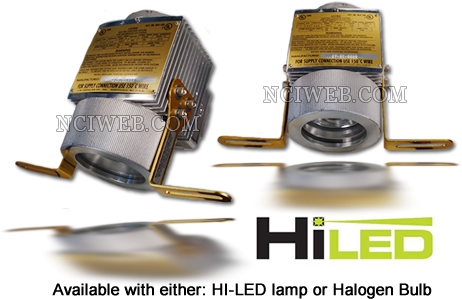 Series SLEX-100, REX-100, SLEX-100 HI-LED & REX-100 HI-LED - A compact, explosive-proof light
UL-
844 & C-ULC/CSA
C22.2 listed to provide lighting and viewing through a single
sight port.
Series SLEX-100, REX-100, SLEX-100 HI-LED & REX-100 HI-LED - A compact, explosive-proof light
UL-
844 & C-ULC/CSA
C22.2 listed to provide lighting and viewing through a single
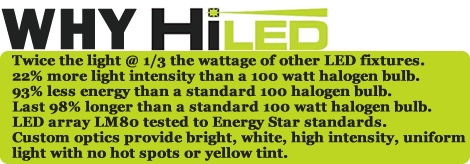
sight port.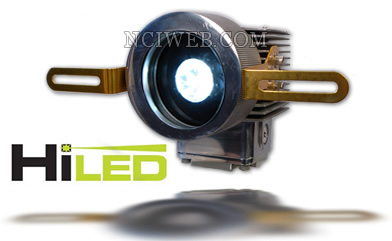 The new HI-LED Lighting Series is a high intensity light engine designed to replace halogen technology. The HI-LED is not a standard LED bulb. Custom designed, it offers more robust technology than halogen bulbs. Unlike Halogen bulbs, HI-LED lamps have no filament and are not affected by vibration, impact, heat, dust, or surface oils. Since they do not generate heat, which causes halogen bulbs to burn out prematurely, they may be left on continuously without over heating the fixture housing. The HI-LED provides a bright white light and emits as much or more light intensity (candle power and lumens) as a 100 watt halogen bulb. HI-LED technology offers 40,000 - 50,000 hour lamp life for continuous duty (almost 5 years) versus 1,000 - 2,000 lamp life for halogen. HI-LED lighting is available for both non-hazardous and explosion-proof light fixtures.